Thinkbox
TV might be the home of big brands and big cultural moments, but it’s not just for the big players. Today, TV advertising is more accessible, flexible, and effective for businesses of every size, from local start-ups to global giants. TV is for every advertiser, every budget, every audience, and every need state.
TV reaches everyone
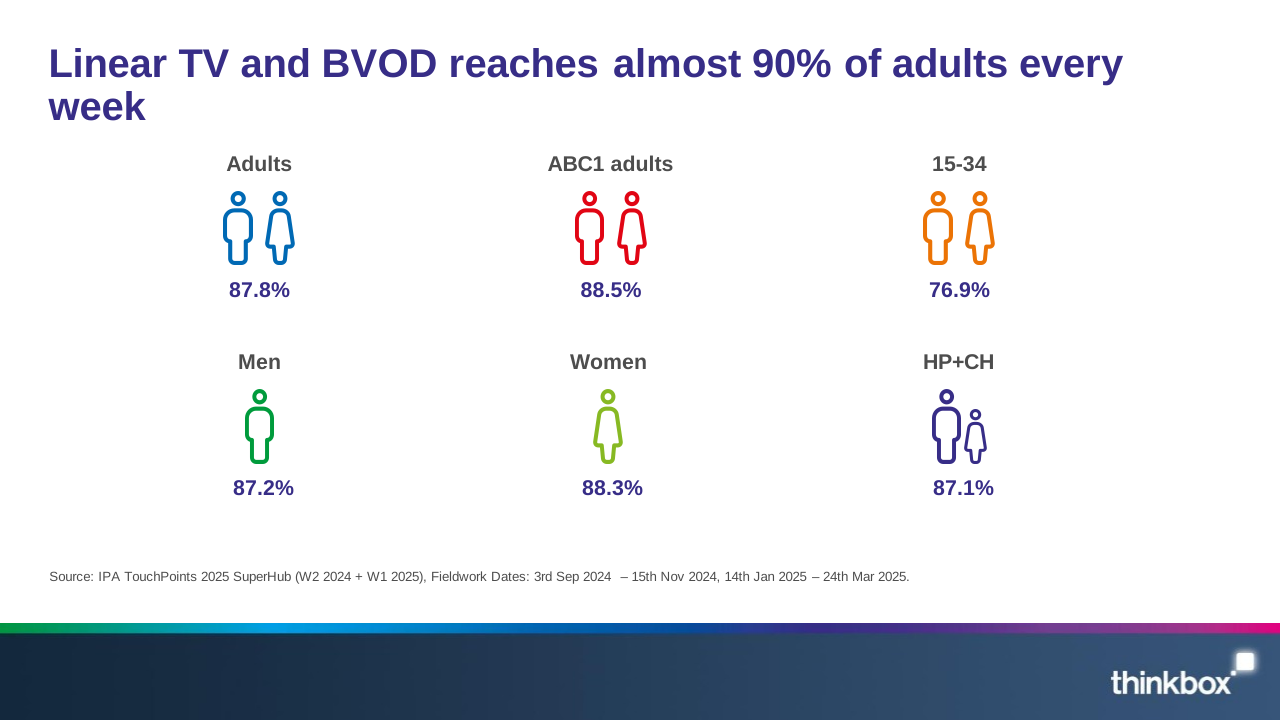
TV’s reach is unmatched. In 2025, linear TV and broadcaster VOD (BVOD) combined to reach 87.8% of the UK adult population every single week.
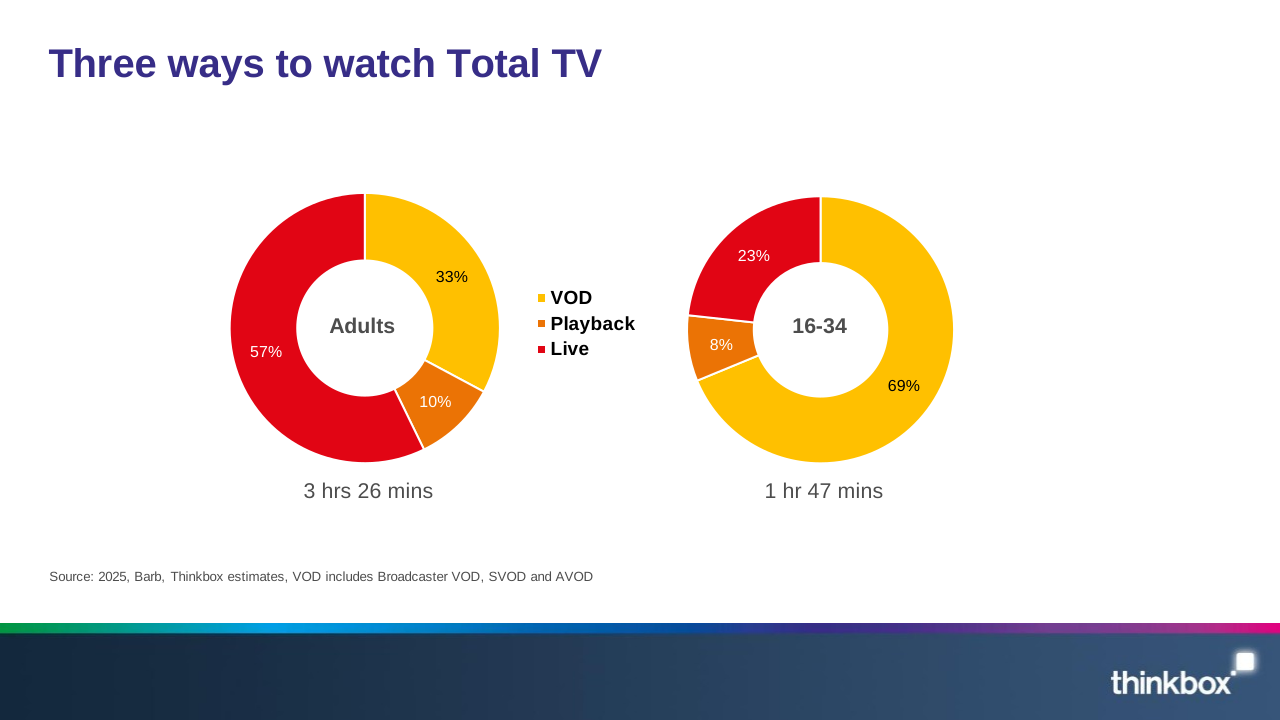
For younger audiences – often harder to reach – VOD plays a vital role. It now accounts for 69% of total TV viewing among 16–34s, more than double the share it represents for the average viewer. That means advertisers can rely on TV, in all its forms, to connect with any audience they need, across platforms and age groups.
TV welcomes every business
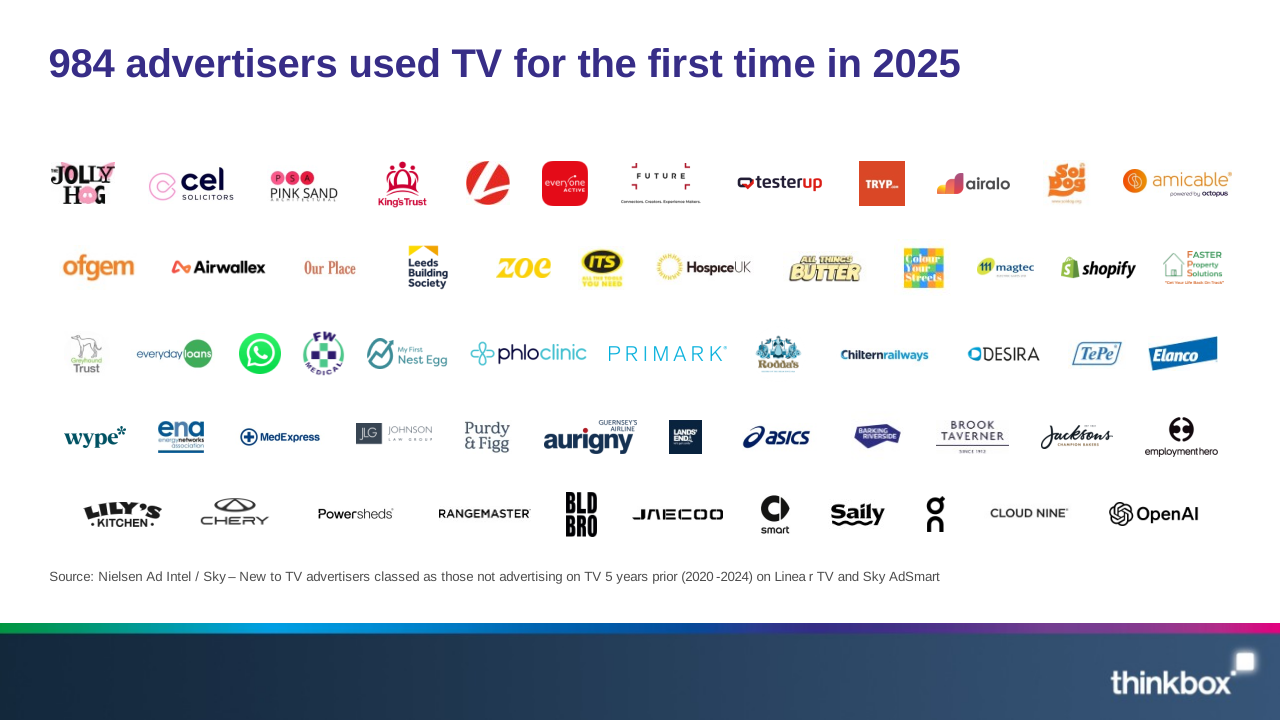
In 2025, 984 advertisers were either new to TV or returned after more than five years away – a clear sign that businesses of all shapes and sizes are embracing TV.
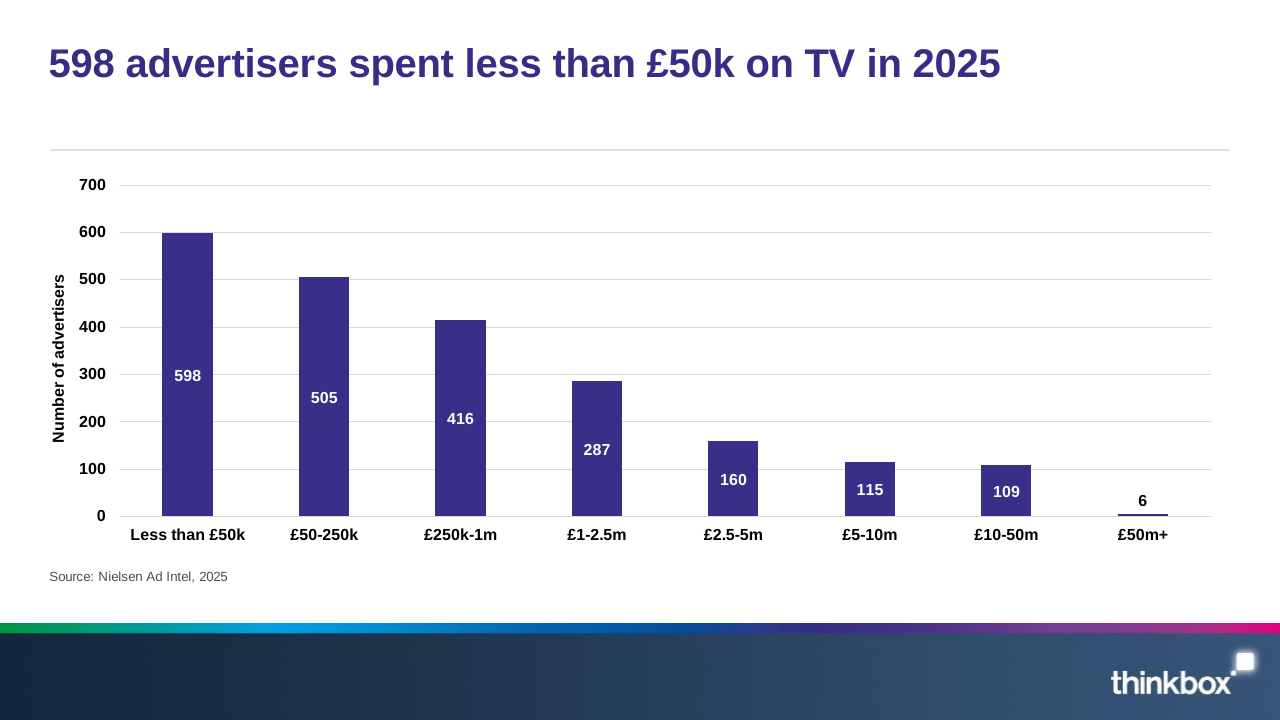
TV is no longer seen as only for the biggest brands. In fact, the majority of advertisers on TV in 2025 had modest budgets:
- 598 advertisers (27%) spent under £50k
- 1,103 advertisers (50%) spent under £250k
- Only 5% of advertisers spent more than £10 million
So TV fits a huge range of budgets and has the infrastructure to work for all advertiser needs. TV campaigns can be planned, bought, and optimised at any budget level, with flexible options from self-serve platforms to full-service broadcaster support. From local service providers to challenger brands or digital natives, TV offers an accessible path to scale, often starting regionally or with BVOD, and then building from there based on results.
Works for all viewing needs
People watch TV for many reasons: to relax, to laugh, to escape, to feel comfort, to be entertained, or even just to fill time. These viewing need states matter because they shape how content is received and how ads within it perform.
TV is unique in fulfilling a broad spectrum of viewing needs. Unlike some forms of video, which skew toward passive scrolling or short-form distraction, TV provides deeper engagement, more emotional resonance, and greater attention – conditions under which advertising thrives.