Thinkbox
In a world saturated with advertising, trust is everything. People are exposed to more commercial messages than ever before, across more platforms, but attention doesn’t guarantee belief or action.
This is where TV stands apart. It is consistently rated as the most trusted form of advertising in the UK. That trust is not incidental. It is built on foundations that other media struggle to match: regulation, professionalism, quality, visibility, and cultural standing.
Why trust matters in advertising
Trust drives effectiveness. It shapes whether people notice an ad, believe it, and act on it. It influences long-term perceptions of brand quality, value, and reliability.
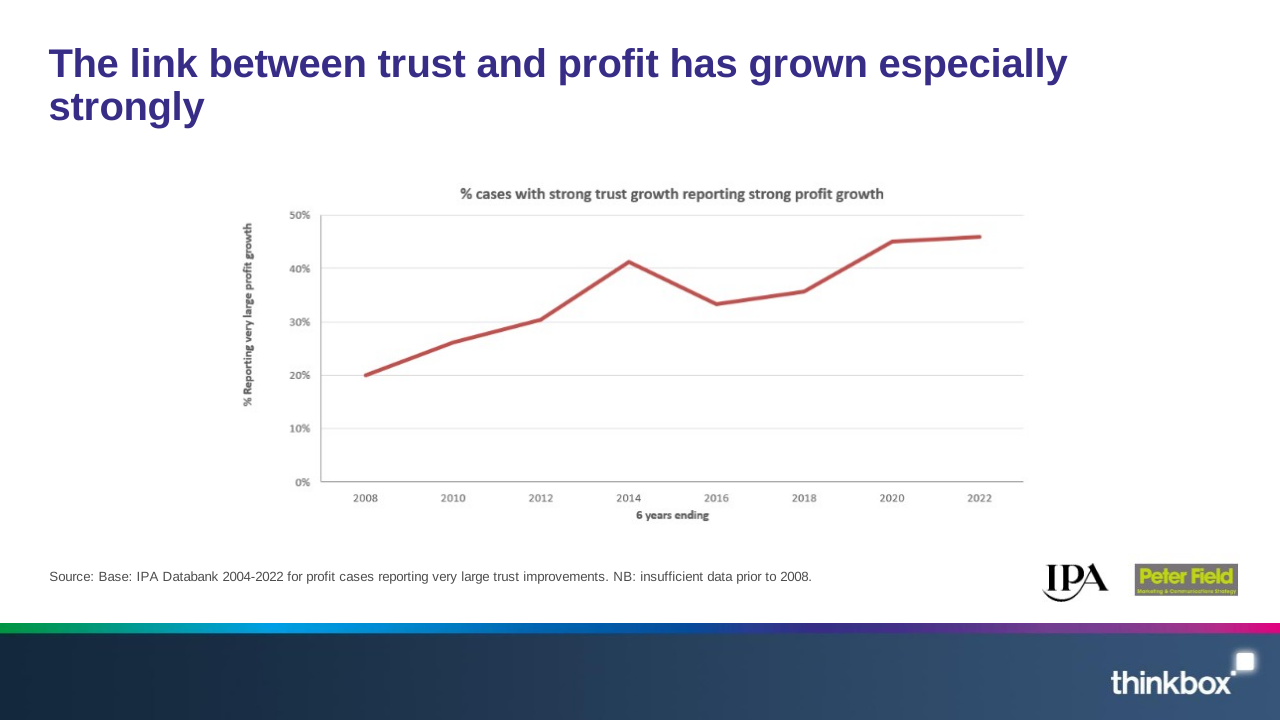
Peter Field’s latest analysis of IPA Effectiveness Databank data shows that the relationship between brand trust and profit has strengthened significantly over the past two decades. In fact, trust is now the second most important brand attribute for profitability, after perceived quality. And the two are increasingly linked.
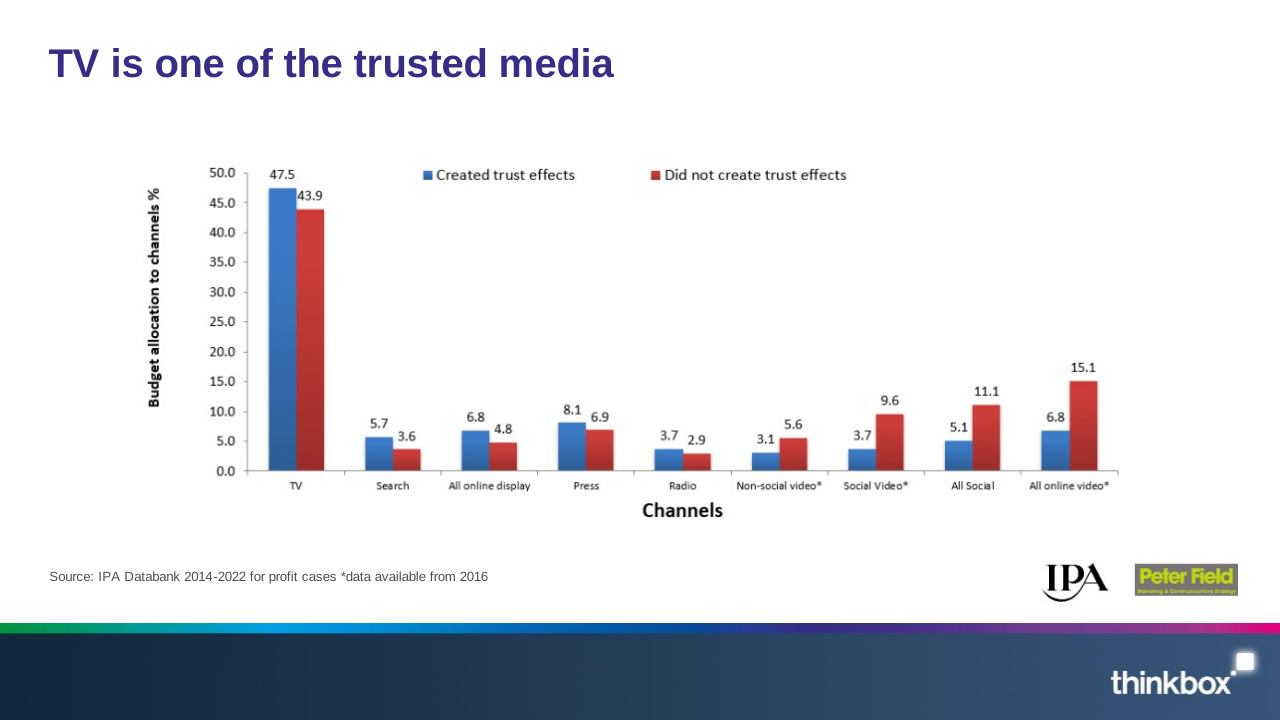
TV delivers here. Field's analysis found that TV builds the strongest trust effects of any media channel. Campaigns that generated strong trust effects consistently used more TV and less social media.
Why TV is trusted
TV is trusted because it is held to the highest standards – and viewers know it.
- All TV ads in the UK are pre-vetted by humans, ensuring accuracy, decency, and appropriateness.
- That scrutiny applies to the content too – professional, regulated programming sets the tone for the ads within it.
- TV avoids the issues that undermine trust in online advertising: fraud, inappropriate ad placement, data misuse, or opaque targeting.
TV also carries a sense of public accountability. As Rory Sutherland points out, public promises carry more weight. TV, being visible to millions, signals confidence. And that perceived investment works in a brand’s favour.
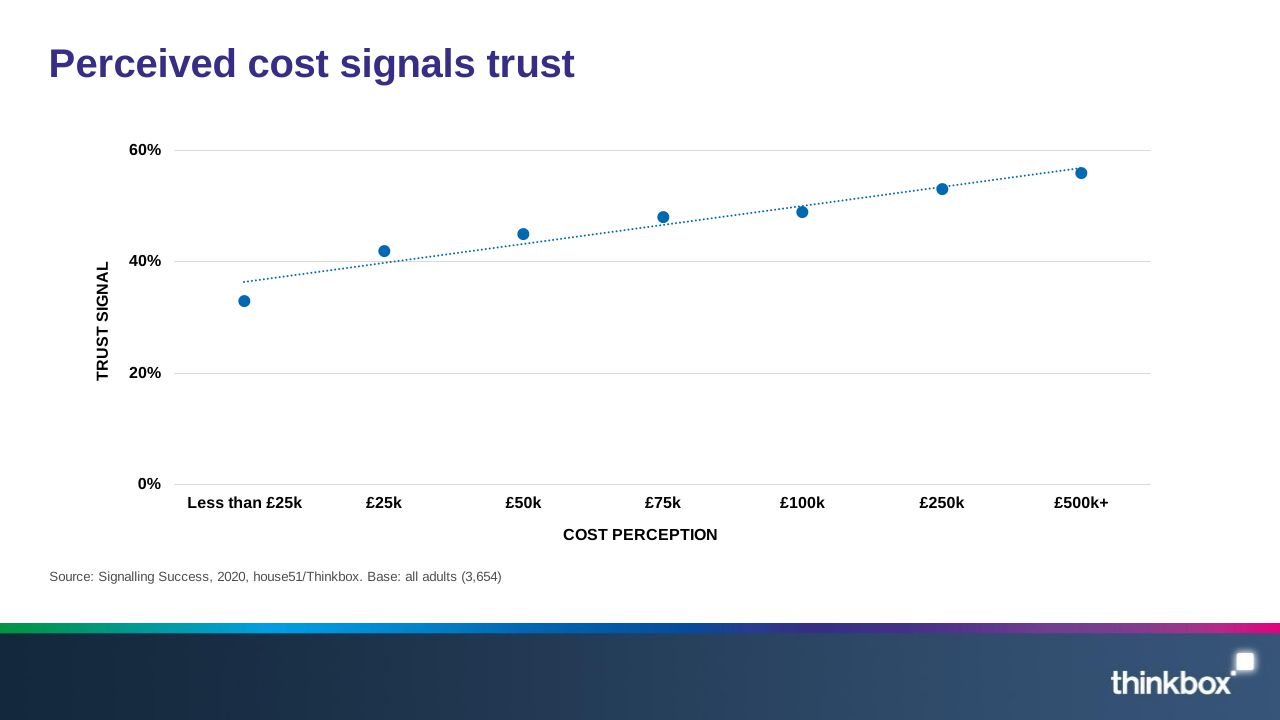
In fact, house51 research shows a direct relationship between the perceived cost of an advertising channel and how trusted and high-quality its brands are seen to be. The more people believe a medium costs, the more credibility its advertisers gain. TV’s perceived expense, even though it’s fantastic value, boosts brand stature.
The signalling power of TV
Signalling Success 2 (EssenceMediacom, 2024) shows that media choice influences brand perception. TV advertising signals quality, confidence, popularity, and financial strength. In the study, brands advertising on TV were seen as more trustworthy and successful than those using other channels.
This supports findings from Richard Shotton’s 2024 paper, which links costly signalling and public commitment to trust. Our brains intuitively believe a brand must be serious if it invests heavily in being seen by everyone. TV delivers that visibility.
Context counts
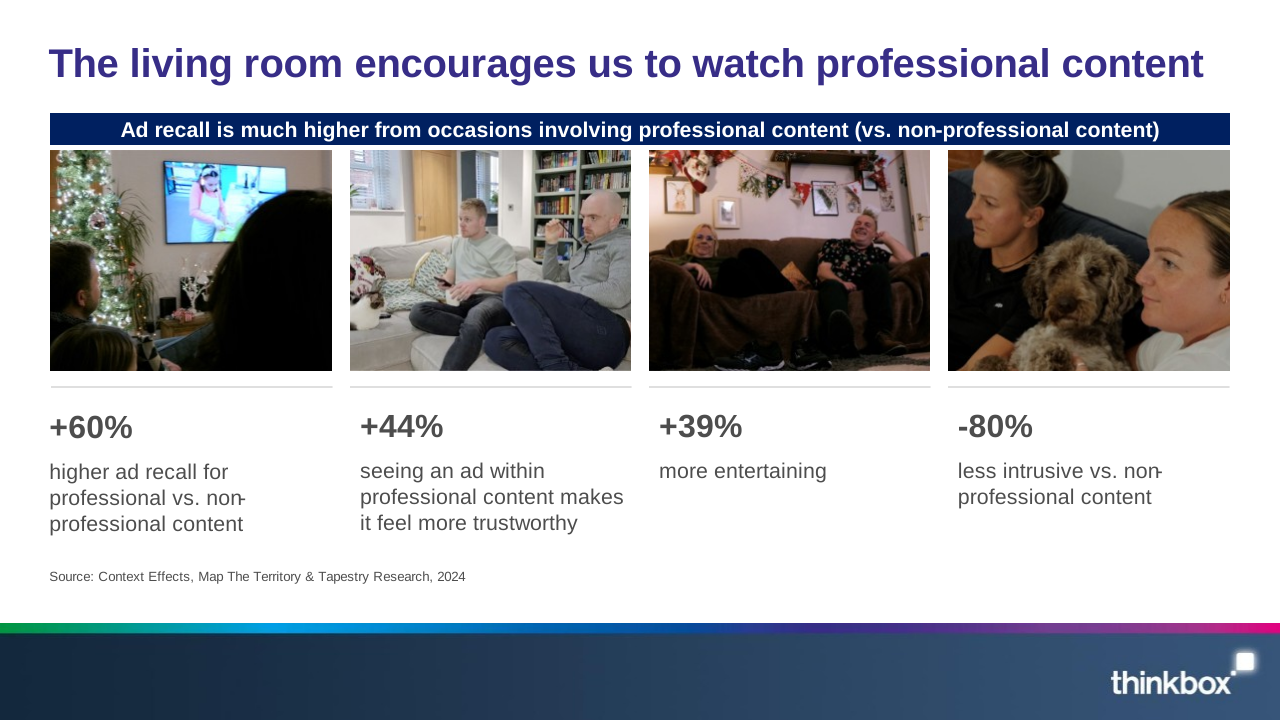
Context Effects (Thinkbox, 2024) used ethnography and SEM to analyse in-home video viewing. It found that ads shown within professionally produced content were seen as 44% more trustworthy and 39% more entertaining than those in user-generated or unregulated environments.
TV’s in-home, shared, high-attention setting creates the ideal conditions for trust to flourish.
Gen Z, misinformation, and the crisis of trust online
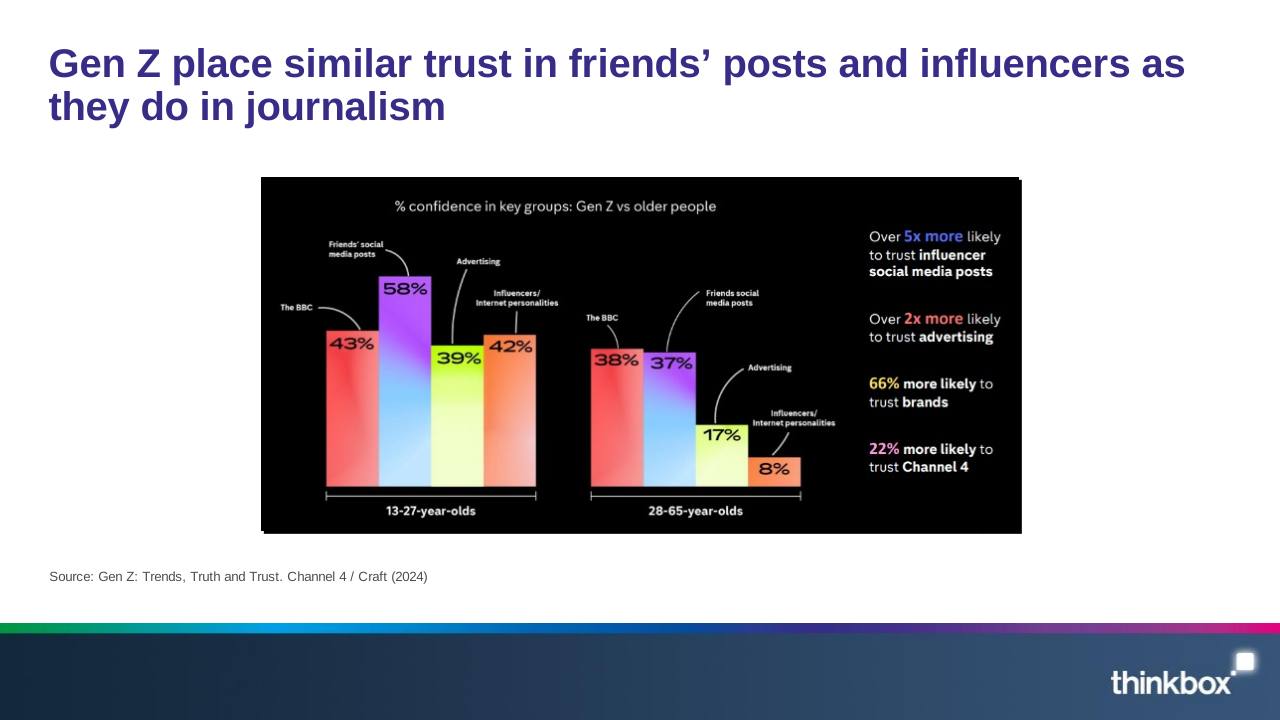
Channel 4’s 2025 Gen Z: Trends, Truth and Trust report paints a concerning picture of life online for younger audiences:
- Gen Z place similar trust in friends’ posts (58%) and influencers (42%) as they do in journalism
- One-third trust alternative internet media more than traditional news
- Half are concerned about social media’s impact on their lives
The result? Radicalisation, misinformation, democratic disengagement, and division. As Channel 4 CEO Alex Mahon warned, "the business model of the technology giants is at odds with the safety of our societies."
Against this backdrop, TV’s regulated, high-quality environment stands as a vital cultural anchor. It offers shared facts, considered storytelling, and responsible advertising – things social media platforms struggle to deliver.
The data is consistent
When trust goes under the microscope, the findings are usually the same:
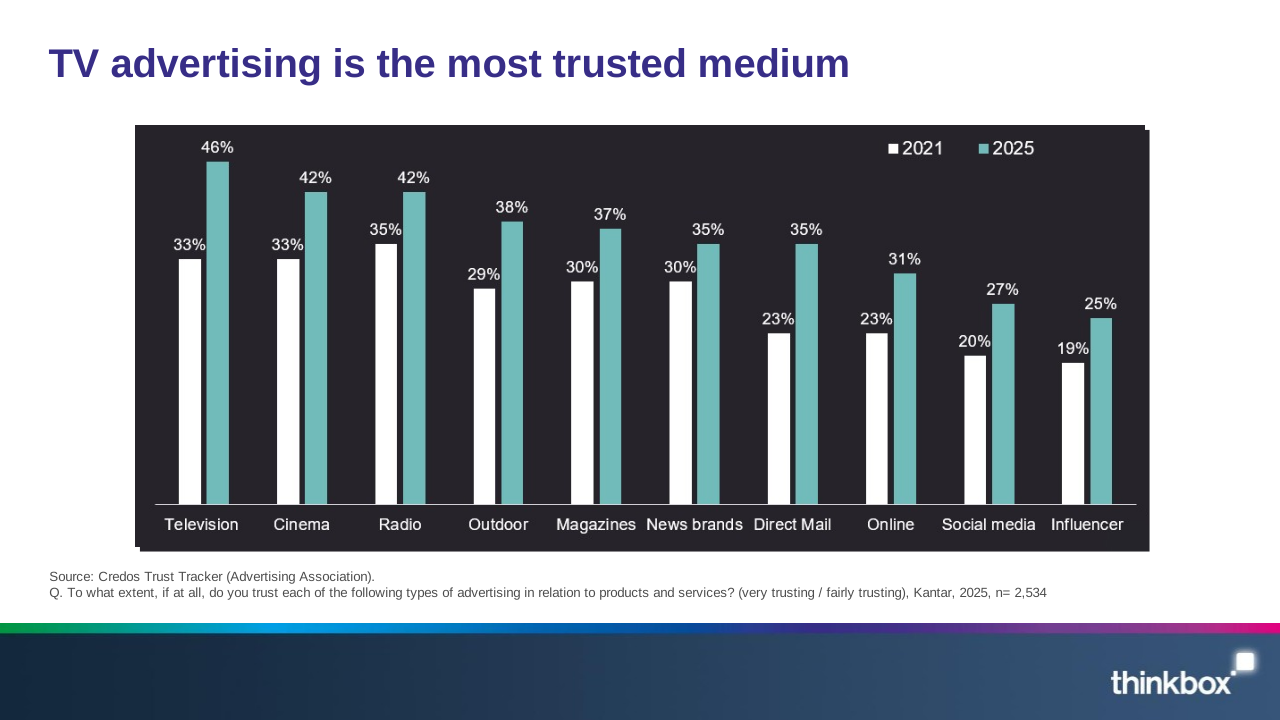
- Data presented at LEAD 2026 from the 2025 Credos Trust Tracker revealed a key trend: trust in advertising has increased across every media channel since 2021. Between 2021–2025, trust in TV grew faster than any other medium, reaching 46%, outperforming online ads (31%), social media (27%) and Influencer content (25%).
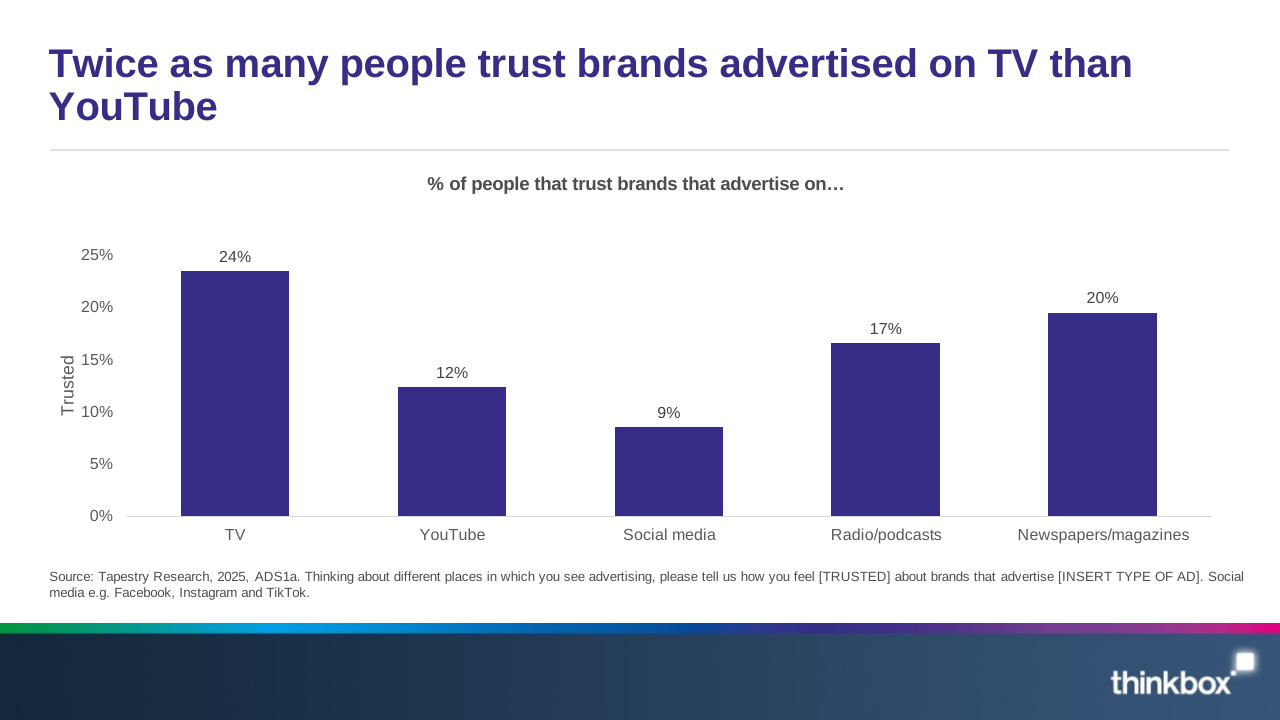
- In 2025, analysis from Tapestry Research highlighted where consumers place their trust when it comes to advertising platforms. Respondents were asked about the different places they see advertising and how they felt about brands that advertised on those channels. Analysis reveals that people are most likely to describe brands advertising on TV as trusted (24%), with newspapers and magazines coming in second at 20%. People are least likely to describe brands advertising on YouTube (12%) and social media (9%) as trusted.
- Edelman Trust Barometer 2025 placed social media as the least trusted sector in the UK (28%)
- YouGov found that trust is typically higher for ad channels like TV, cinema, radio, outdoor, and print. Again, social media ads and video streaming services were among the least trusted.
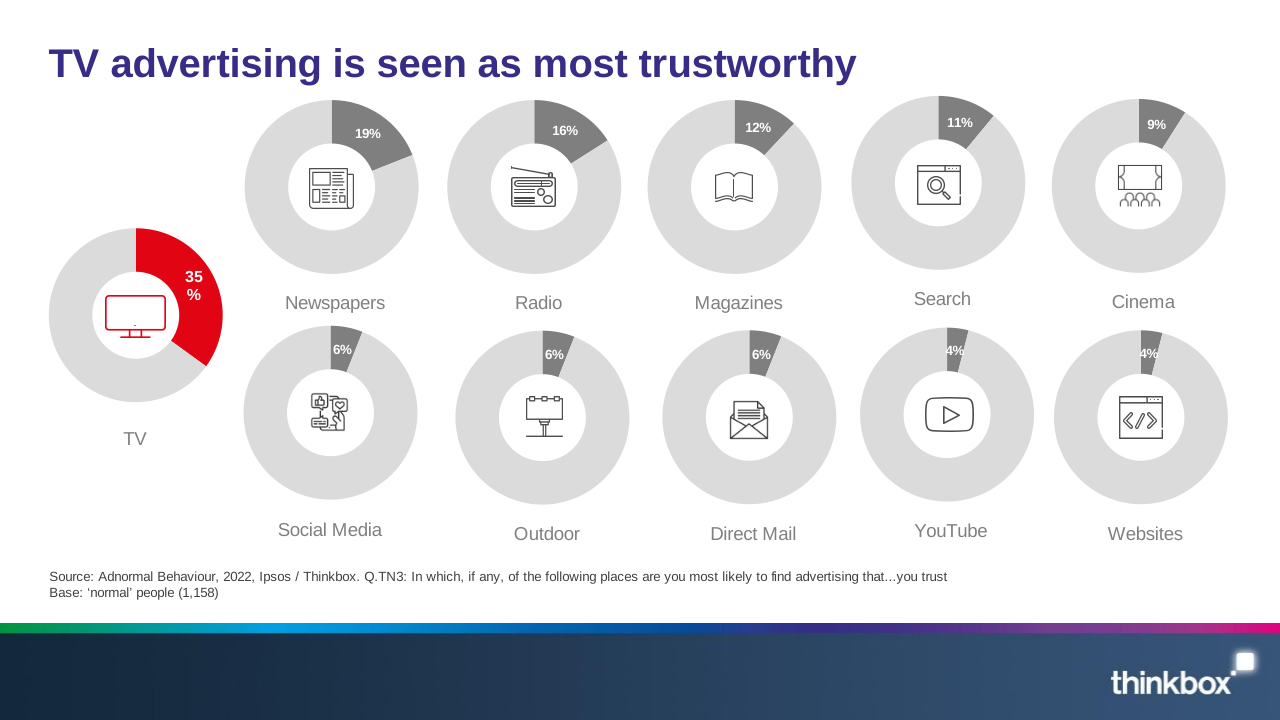
- Ipsos found TV ads are the most trusted (35%); only 6% cited social media, and YouTube just 4%
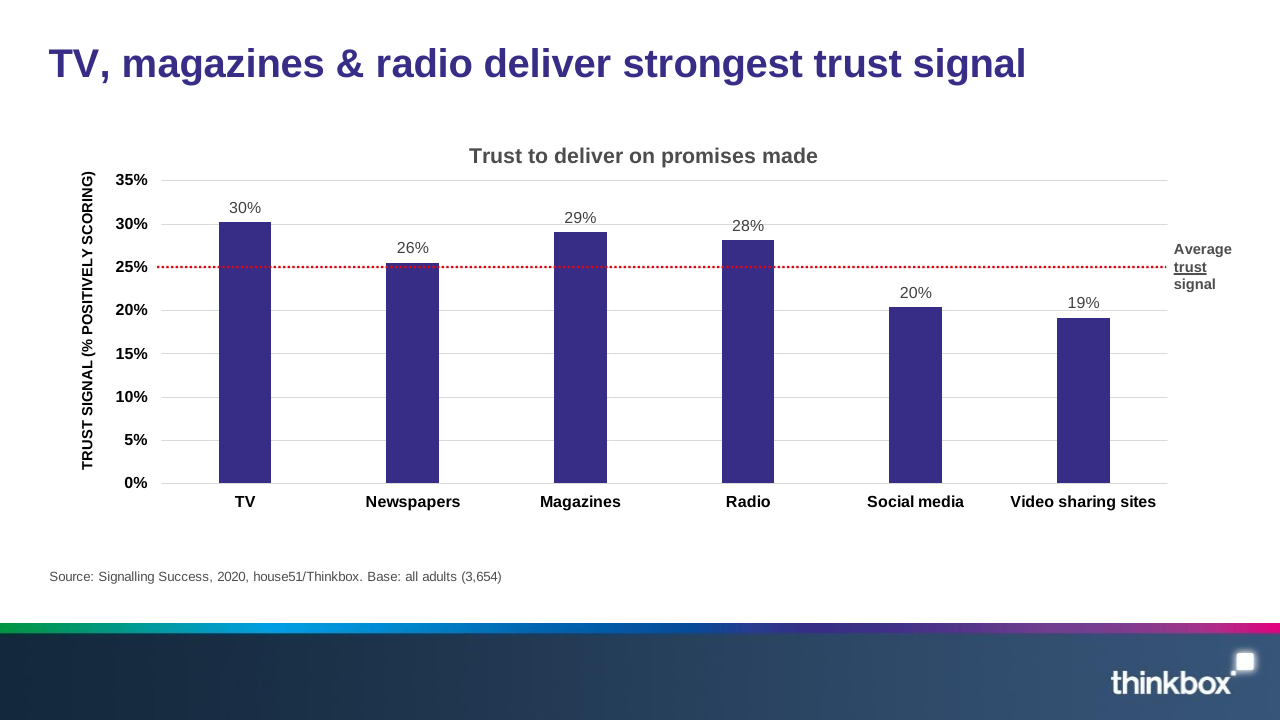
- Signalling Success found TV, magazines and radio deliver the most brand trust; video sharing sites and social scored lowest
Online brands are voting with their wallets
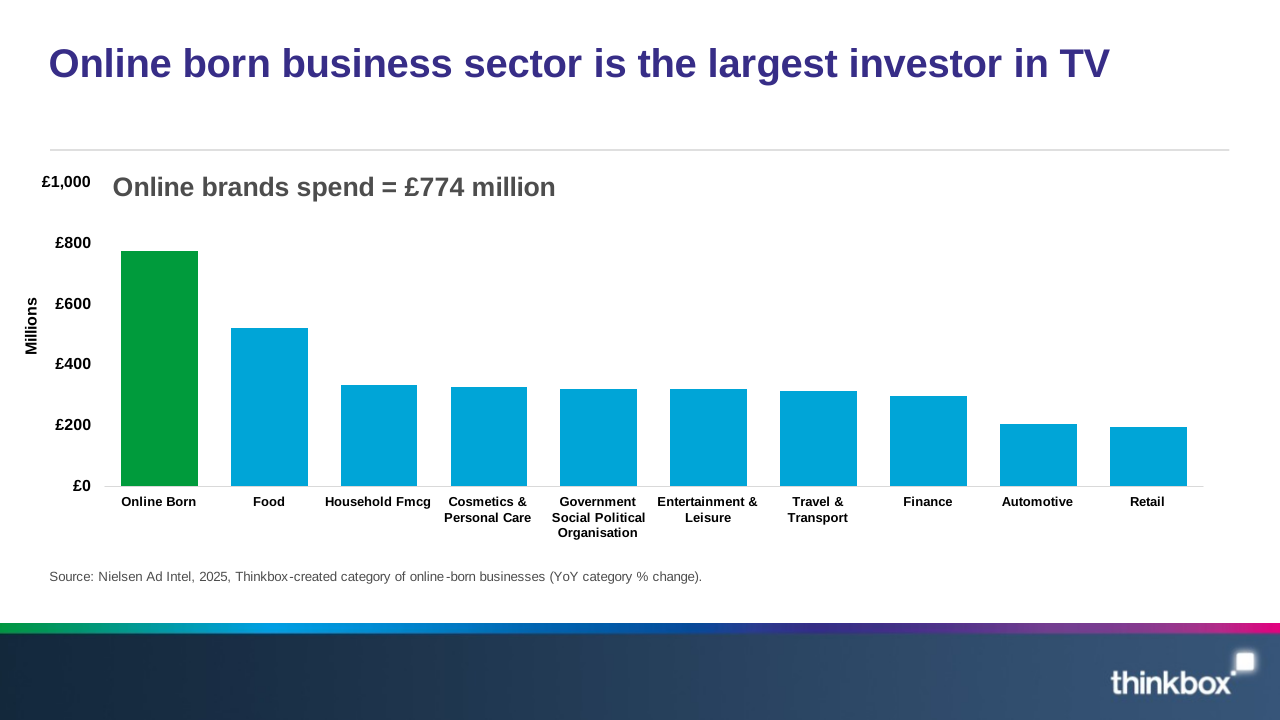
It’s no coincidence that online-first brands are now the biggest investors in TV advertising. They recognise what TV offers: trust, credibility, visibility, and effectiveness. It helps legitimise these virtual businesses in the eyes of consumers.